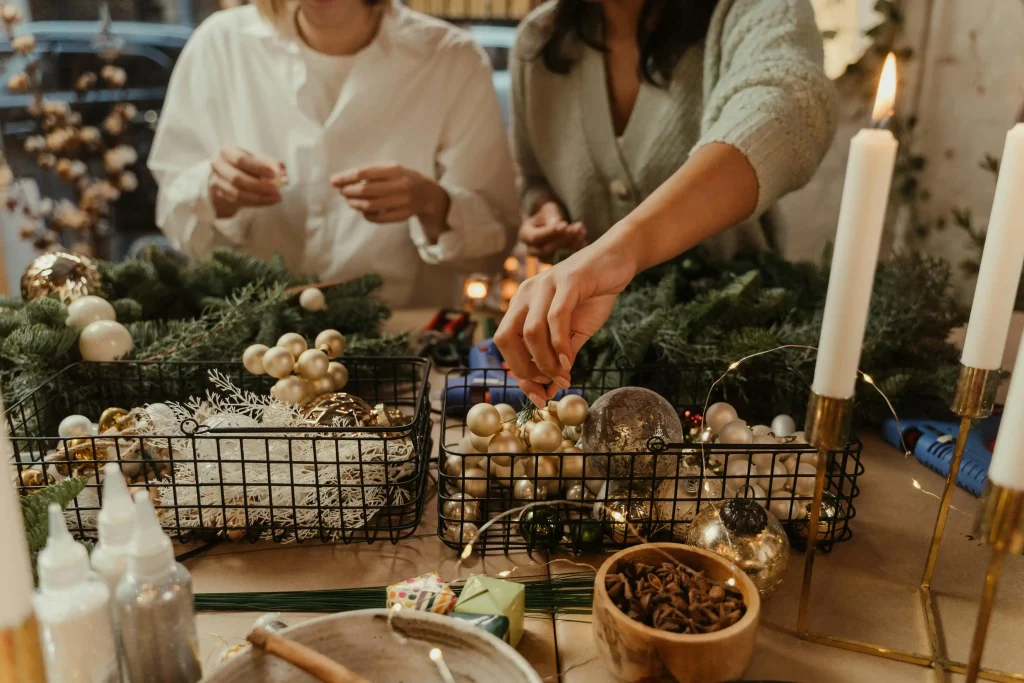

Understanding the emotional power behind holiday traditions and why they matter more than we think
Holiday celebrations are often seen as simple moments on the calendar—Christmas, New Year, Thanksgiving, birthdays, or cultural festivals. But behind the decorations, food, gatherings, and traditions lies something much deeper.
Holiday celebrations are not just events. They are emotional anchors.
They shape how we connect with family, how we manage stress, how we create memories, and even how we define happiness. In a fast-paced world where daily life often feels repetitive and stressful, holidays become essential pauses that reset the mind and reconnect us with what matters most.
This article explores the psychology behind holiday celebrations, why they matter so deeply, and how they influence emotional well-being, relationships, and even personal identity.
The Emotional Psychology Behind Holiday Celebrations
At the core of every holiday celebration is one powerful human need: connection.
Psychologists often describe humans as “social beings,” meaning our emotional well-being is deeply tied to relationships. Holidays naturally activate this need by encouraging people to gather, share, and reconnect.
During holiday celebrations, the brain releases feel-good chemicals like dopamine and oxytocin. These are linked to:
- Happiness
- Bonding
- Emotional safety
- Stress relief
This is why even small celebrations—like eating together or exchanging gifts—can feel emotionally rewarding.
Holidays are not just traditions. They are emotional regulation systems built into culture.
Why Family Matters More During Holidays
One of the strongest themes in holiday celebrations is family. Even people who are busy or distant throughout the year often make an effort to reconnect during holidays.
Why?
Because holidays reduce emotional distance.
When families gather during celebrations, several psychological things happen:
- Shared memories are reactivated
- Old emotional bonds are reinforced
- Communication becomes more open
- People feel a sense of belonging
Even imperfect families often experience temporary emotional healing during holidays because the environment encourages togetherness over conflict.
In a world where people are constantly distracted, holidays force presence—and presence builds connection.
The Power of Tradition and Repetition
Holiday celebrations are often built on traditions—recipes, rituals, songs, decorations, and routines passed down through generations.
But traditions are not just habits. They are psychological grounding tools.
Repetition creates emotional stability. When people repeat the same holiday activities every year, the brain associates those actions with comfort and safety.
For example:
- Decorating a tree every December
- Cooking traditional food during festivals
- Watching specific holiday movies
- Visiting family at certain times
These repeated experiences create emotional continuity in life, especially in times of change or uncertainty.
Tradition tells the brain: Some things remain stable, even when life changes.
How Holiday Celebrations Reduce Stress
Modern life is full of pressure—work deadlines, financial concerns, digital overload, and social expectations. Holidays interrupt that cycle.
During celebrations, people often:
- Take time off work
- Spend time with loved ones
- Eat comforting food
- Engage in joyful activities
This shift helps reduce cortisol levels (the stress hormone) and allows mental recovery.
Even planning a holiday celebration gives people something positive to anticipate, which itself improves mood and reduces anxiety.
In psychology, this is known as anticipatory happiness—the joy we feel while looking forward to something meaningful.
The Role of Food in Emotional Connection
Food is one of the strongest emotional elements of any holiday celebration.
Certain meals are deeply tied to memory and identity. One bite can bring back childhood experiences, family gatherings, or cultural roots.
Sharing food during holidays also creates:
- Trust
- Bonding
- Comfort
- Cultural identity
Eating together is one of the oldest forms of human connection. It signals safety and unity.
This is why holiday meals often feel more meaningful than everyday meals—they carry emotional weight, not just nutritional value.
Holiday Celebrations and Mental Health
From a mental health perspective, holidays can have both positive and challenging effects.
Positive effects:
- Increased happiness from social connection
- Reduced loneliness
- Sense of belonging
- Emotional reset
Challenges:
- Financial pressure
- Social comparison
- Family conflict
- Unrealistic expectations
The key is balance. When approached mindfully, holiday celebrations can become powerful tools for emotional renewal rather than stress.
The Importance of Self-Care During Holidays
While holidays are often focused on others, self-care plays an important role too.
Many people forget that emotional energy is limited. Overcommitting during celebrations can lead to burnout instead of joy.
Self-care during holidays may include:
- Resting when needed
- Setting boundaries with family or social events
- Avoiding comparison on social media
- Creating personal quiet moments
A healthy holiday experience includes both connection and personal space.
Creating Meaningful Holiday Experiences
Not all holiday celebrations need to be big or expensive to be meaningful. In fact, simpler celebrations often feel more emotionally authentic.
What matters most is intention:
- Who you spend time with
- How present you are
- The emotions you create and share
Even small traditions—like lighting candles, sharing stories, or taking photos—can create lasting emotional memories.
Small Rituals That Enhance Holiday Joy
Beyond traditions, small personal rituals can also improve the emotional quality of holiday celebrations.
This can include self-care moments that make you feel refreshed and confident during gatherings. For example, some people incorporate beauty or wellness routines as part of their holiday preparation, such as skincare treatments or restorative hair care to feel more comfortable and present during events.
One example of a self-care product people use during festive seasons is the AU24 Bundle Liquid Gold Hair & Skin Treatment Kit with Satin Pillowcases from Blondegasm®, which is designed to support hair and skin nourishment while promoting a smoother, more refreshed look during busy holiday periods. You can view it here:AU24 Bundle – Liquid Gold Hair & Skin Treatment Kit with Satin Pillowcases | Blondegasm®

While products like this are not the essence of holiday joy, they can be part of a personal routine that helps individuals feel more confident and relaxed during celebrations.
How Social Media Has Changed Holiday Celebrations
In modern times, holiday celebrations are no longer just private experiences—they are often shared online.
Social media has influenced holidays in several ways:
- People document celebrations in real time
- Aesthetic expectations have increased
- Comparison between lifestyles has become common
- “Picture-perfect” holidays are often idealized
While social media can inspire creativity, it can also create pressure to perform happiness instead of experiencing it.
The healthiest approach is to remember that real celebration happens offline—in connection, presence, and emotion—not just in photos.
Why Holiday Celebrations Truly Matter
At their core, holiday celebrations matter because they do something essential:
They bring people back to each other.
In a world that is constantly moving, holidays create pause. They remind us of relationships, memories, culture, and emotional grounding.
They are not just events we attend—they are emotional systems that help us:
- Reconnect with family
- Reduce stress
- Strengthen identity
- Build memories
- Experience joy in shared moments
Without celebrations, life becomes purely functional. With them, life becomes meaningful.
Final Thoughts
Holiday celebrations are often underestimated as simple traditions or social obligations. But psychologically, they play a much deeper role in human life.
They are moments of emotional reset.
They are bridges between people.
They are reminders of what truly matters.
Whether simple or elaborate, personal or cultural, quiet or festive—holiday celebrations exist to bring us back to connection.
And in the end, that connection is what creates lasting happiness.