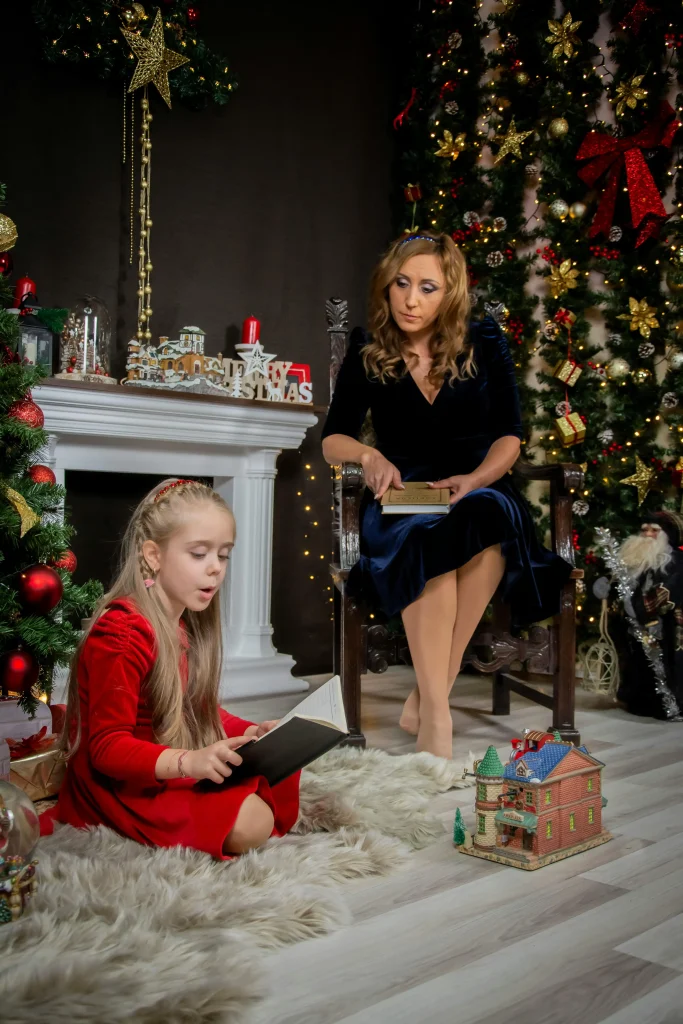

Introduction: When Small Gifts Carry the Biggest Meaning
During the holidays, it’s easy to assume that impact comes from size, price, or presentation. But the truth is often the opposite. The gifts that stay in our memories the longest are usually the simplest ones—things given with intention, emotion, and presence rather than money.
“Small Gifts, Big Emotions” is about those quiet holiday moments that don’t look extraordinary at first glance but become unforgettable over time. A handmade item, a shared experience, a thoughtful gesture, or even a small educational gift can shape someone’s childhood memory, strengthen relationships, or heal emotional distance.
These are the kinds of stories that remind us what the holiday season is really about: connection, meaning, and love expressed in its purest form.
The Psychology Behind Small but Meaningful Holiday Gifts
Human memory is strongly influenced by emotion. Psychologists often explain that we don’t remember events because of their material value, but because of how they made us feel.
Small gifts often carry stronger emotional weight because:
- They feel personal and intentional
- They reflect effort rather than expense
- They are often tied to a shared moment
- They activate nostalgia and emotional memory
When someone receives a simple but thoughtful gift during the holidays, the brain connects it to belonging and emotional safety. That’s why even years later, people can vividly remember a childhood holiday moment involving something small but meaningful.
Story 1: The Coloring Book That Became a Holiday Tradition
One of the most common but underrated holiday gifts for children is something simple: a coloring book. At first glance, it may seem ordinary, even forgettable. But for many families, it becomes part of a yearly tradition.
A parent might gift a child a coloring book every holiday season, not as a “big present,” but as a quiet ritual. Over time, the child begins to associate holidays not only with celebration, but with creativity, learning, and bonding time spent with family.
In one touching example shared by many parents, a child received a simple alphabet and number-themed coloring book during the holidays. What started as a small educational gift became something much deeper:
- The child learned early literacy skills
- Coloring time became bonding time with parents
- The book was kept and revisited for years
- It became a nostalgic symbol of childhood holidays
This is where small gifts become emotionally powerful—they are not just objects, but experiences that shape development and memory.
One example of this kind of meaningful educational gift is:
Snoozle ABC 123 Coloring Book

A gift like this does not rely on luxury. Instead, it creates something more valuable: time spent learning, bonding, and creating memories together.
Story 2: The Handmade Gift That Meant More Than Anything Store-Bought
Another recurring holiday memory involves handmade gifts. A knitted scarf, a hand-drawn card, or a carefully written letter often becomes more treasured than expensive presents.
One well-known type of holiday story involves a child who cannot afford store-bought gifts but still wants to give something meaningful. They create something by hand—sometimes imperfect, sometimes simple—but filled with sincerity.
Years later, the recipient remembers:
- The effort more than the object
- The emotion behind the gift
- The uniqueness of something made just for them
These gifts often survive longer than commercial ones because they are emotionally irreplaceable.
Story 3: The Small Gift That Arrived at the Right Time
Sometimes, the value of a gift is not in its form but in its timing.
A small holiday gift given during a difficult moment can completely change someone’s emotional state. It could be:
- A book given to someone feeling lonely
- A warm item given during a harsh winter
- A simple handwritten note during a stressful year
- A small toy or activity that brings a child joy during uncertainty
These gifts become anchors in memory because they represent emotional rescue. They say, “You are not alone,” without needing many words.
Why Small Gifts Often Create Stronger Emotional Bonds
There is a misconception that bigger gifts create stronger appreciation. In reality, emotional bonding is not proportional to cost.
Small gifts often create deeper bonds because:
1. They feel intentional
People believe more in effort than price.
2. They reduce pressure
There is no expectation of reciprocity based on value.
3. They highlight emotional connection
The focus shifts from material value to relationship.
4. They become symbolic
Small gifts often represent a memory, inside joke, or shared experience.
This is why many adults remember small childhood gifts more vividly than expensive ones they received later in life.
The Role of Educational Gifts in Holiday Memories
Educational gifts hold a special place in holiday storytelling because they combine fun and development.
Items like coloring books, activity sets, and learning tools often become meaningful because:
- They encourage creativity
- They support early development
- They involve parent-child interaction
- They create structured bonding time
Unlike toys that are quickly outgrown, educational gifts often leave a longer-lasting impact because they are part of learning milestones.
A simple coloring book, for example, is not just entertainment. It can be:
- A first step into writing and reading
- A way to develop focus and patience
- A shared holiday activity between parent and child
- A keepsake of early childhood memories
That’s why these “small gifts” often carry emotional weight far beyond their physical form.
Story 4: The Gift That Was Reused Every Year
Some of the most touching holiday traditions involve gifts that are not replaced but reused.
A child may receive a simple item during the holidays—like a book or a creative kit—and continue using it year after year. Every holiday season, it reappears, tied to nostalgia and continuity.
This creates emotional layers:
- The original memory of receiving it
- The repeated use during holidays
- The growth of the child alongside the gift
- The eventual emotional attachment to it
In this way, the gift becomes part of the family’s holiday identity.
How Modern Holiday Gifting Is Changing
Today, there is a growing shift in how people view gifts. Instead of focusing purely on cost or size, more people are prioritizing:
- Emotional meaning
- Personal relevance
- Shared experiences
- Long-term usefulness
This shift reflects a deeper cultural change. People are realizing that holidays are less about consumption and more about connection.
As a result, small but meaningful gifts are becoming more valued than ever before.
How to Choose Small Gifts That Create Big Emotions
If you want to create meaningful holiday memories without focusing on expensive items, here are key principles:
1. Think about the person, not the product
What do they enjoy? What do they need emotionally?
2. Focus on shared experiences
Gifts that involve interaction create stronger memories.
3. Choose something that lasts in memory
Not everything needs to be physical or permanent.
4. Add a personal message
A note can double the emotional value of any gift.
5. Prioritize meaning over appearance
Simple presentation often enhances sincerity.
Conclusion: The True Power of Small Holiday Gifts
Small gifts are often underestimated, but they carry emotional depth that larger, more expensive items cannot always replicate. They become part of personal history, family tradition, and emotional memory.
Whether it’s a handmade item, a thoughtful gesture, or an educational gift like a coloring book that brings families together during the holidays, the impact is the same: it’s not about the size of the gift, but the size of the feeling it creates.
In the end, the most unforgettable holiday gifts are not the ones with the highest price tags—they are the ones filled with intention, love, and meaning that stay with us long after the season ends.